Regulations · · 6 min read
What is a medical device and when does equipment qualify as one
What a medical device is, how it differs from laboratory equipment, and what intended purpose, risk classes, CE marking and ISO 13485 really mean.
Medical device is the term commonly used in English for what Spanish calls a producto sanitario. In the European Union, the concept covers products intended by their manufacturer for medical purposes, such as diagnosing, preventing, monitoring or treating diseases, or compensating for injuries and disabilities. It may be a piece of equipment, an instrument, an implant, a material or certain software.[1]
The definition in the Medical Devices Regulation also distinguishes the device's mechanism of action: its principal intended action is not achieved by pharmacological, immunological or metabolic means, although these may assist it. For anyone designing or purchasing equipment, the first question is what specific purpose the manufacturer declares.[2]
The intended purpose drives the entire project
The intended purpose is reflected in the labelling, the instructions for use, the promotional material and the clinical evaluation. That is why the description of a piece of equipment on a website must be consistent with its documentation. Presenting it for a different medical application can change the questions that need to be answered regarding its qualification and conformity.[2]
As a starting point for any development, it is advisable to describe what the product does, for whom, in what environment and with what user. This definition should be specific enough to guide the technical requirements and the evidence needed.
Laboratory equipment and in vitro diagnostics
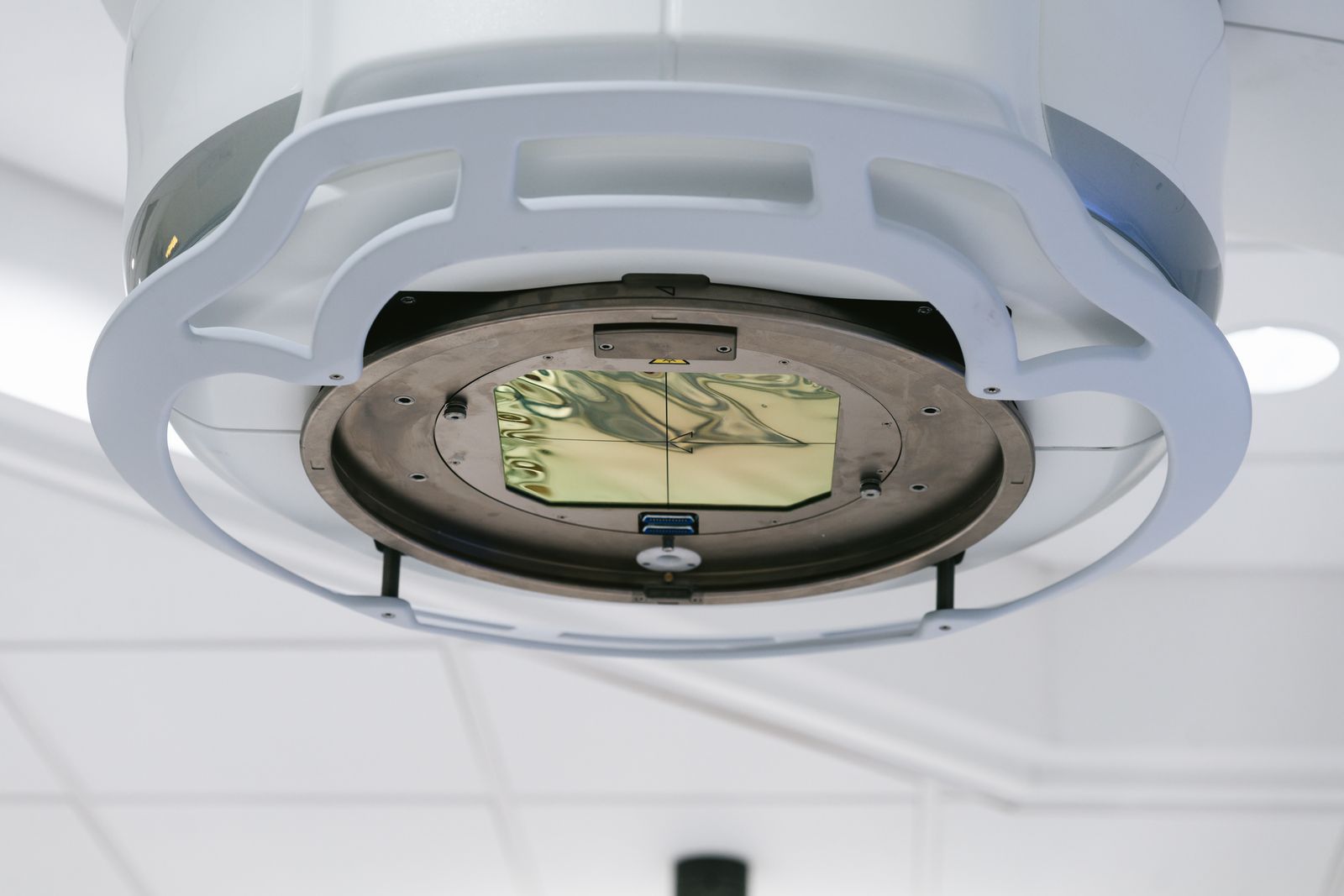
General laboratory equipment does not automatically become a medical device simply because it is installed in a hospital. The AEMPS explains that products for general laboratory use are not considered in vitro diagnostic devices unless, in view of their characteristics, they are specifically intended by the manufacturer for such examinations.[3]
In vitro diagnostic devices, known as IVDs, are intended for the examination of specimens derived from the human body in order to provide defined clinical information, for example about a physiological or pathological state. They are medical devices with their own European regulation, the IVDR 2017/746.[4]
For this reason, names such as centrifuge, incubator or autoclave are not enough to determine regulatory status. The declared application and the characteristics of the model must be reviewed. A product specifically designed to sterilise medical devices, for example, requires a different analysis from equipment intended for general use.[1]
Risk classes
| Framework | Classes | What it takes into account |
|---|---|---|
| Medical devices (MDR) | I, IIa, IIb and III | Purpose, invasiveness, duration of contact, active operation |
| In vitro diagnostics (IVDR) | A, B, C and D | Purpose and risk of the diagnostic information |
These classifications belong to different frameworks and must not be used interchangeably.[1][3]
For the industrial project, identifying the class helps plan the assessments and the documentation. That decision must be justified using the rules applicable to the specific product.
What CE marking and ISO 13485 mean
CE marking indicates conformity with the applicable European legislation that requires that marking. To understand its scope, you need to review the EU declaration of conformity and the product identification. A marking based solely on electrical requirements does not, by itself, demonstrate conformity as a medical device.[5]
ISO 13485 sets out requirements for a quality management system specific to the medical device sector. It covers activities such as design, production and related services.[6]
Certification of a quality system and conformity of a product are different matters: an ISO 13485 certificate does not, by itself, demonstrate that a piece of equipment meets the requirements applicable to its intended medical purpose.
What developing a medical device involves
Depending on the product and its applicable framework, the manufacturer must address:
- Risk management.
- Technical documentation.
- Clinical or performance evaluation.
- Post-market surveillance.
It is advisable to integrate this work into development so that design decisions and declared performance can be justified.[2][4]

In an OEM collaboration, it must also be clear who will be the legal manufacturer and which activities each supplier will carry out. The MDR provides for the manufacturer to subcontract design or manufacturing to third parties. Obligations must be analysed according to the actual configuration of the agreement, the labelling and the rules of the regulation.[2]
Another useful clarification is that developing equipment tailored to a company does not automatically make it a custom-made device in the legal sense. That category is linked to a prescription with specific characteristics for a particular patient.[3]
Define the application clearly before manufacturing
An initial technical meeting is most useful when it starts from a clear intended purpose and well-defined functional requirements. From there, it is possible to assess the feasibility of the equipment, the scope of development and the documentation needed to move forward.
Share your equipment's application and requirements with Selecta Engineering so we can assess its technical development.
Enquire about a healthcare development
Sources
- AEMPS — Medical devices, September 2026 update
- EUR-Lex — Regulation (EU) 2017/745, consolidated text of July 2026
- AEMPS — General information on medical devices, April 2026
- EUR-Lex — Regulation (EU) 2017/746 on in vitro diagnostic medical devices, consolidated text
- European Union — CE marking and declaration of conformity
- ISO — Scope of ISO 13485 for quality management systems