ATEX · · 7 min read
What ATEX zones are and how they are classified
ATEX classification separates gas atmospheres from dust atmospheres and helps define the protection a piece of equipment needs. We explain the six zones and the data worth reviewing before choosing an industrial solution.
ATEX zones classify the areas where an explosive atmosphere can form, according to the type of substance and how often and for how long it is present. Zones 0, 1 and 2 cover flammable gases, vapours or mists; zones 20, 21 and 22 cover clouds of combustible dust.[1]
What ATEX means
ATEX is the usual name for the European framework covering explosive atmospheres. Such an atmosphere can appear when a flammable or combustible substance mixes with air under atmospheric conditions, and the mixture allows combustion started by an ignition source to spread.[2]

The risk can come from a flammable vapour or from a solid material turned into dust. That is why analysing only the liquids used in a process can leave other hazards out. The Spanish INSST points out that some combustible dusts can have explosive properties even when they have no safety data sheet.[3]
Classification of ATEX zones
The table summarises the six zones and their general relationship with Group II equipment, which applies to non-mining industry. The selection must follow the risk assessment and the explosion protection document.[1][4]
| Zone | Atmosphere | Presence of the explosive mixture | Equipment categories |
|---|---|---|---|
| 0 | Gas, vapour or mist | Continuous, for long periods or frequent. | 1G |
| 1 | Gas, vapour or mist | Occasional in normal operation. | 1G or 2G |
| 2 | Gas, vapour or mist | Unlikely in normal operation; if it occurs, only for a short time. | 1G, 2G or 3G |
| 20 | Dust cloud | Continuous, for long periods or frequent. | 1D |
| 21 | Dust cloud | Occasional in normal operation. | 1D or 2D |
| 22 | Dust cloud | Unlikely in normal operation; if it occurs, only for a short time. | 1D, 2D or 3D |
G indicates suitability for gases, vapours or mists; D, for dust. The table expresses a general correspondence: category and letter alone are not enough to decide whether a piece of equipment suits a specific installation.[4][6]
The zone describes the expected presence of the explosive atmosphere. A zone 2 or 22 still requires protective measures, even though that presence is unlikely during normal operation.[6]
Difference between ATEX zone and equipment category
The zone characterises the area; the category indicates the protection level of the equipment. For Group II, category 1 means a very high level of protection, category 2 a high level and category 3 a normal level, within the requirements set by the regulations.[4]
For example, a 2G marking refers to category 2 for atmospheres of gases, vapours or mists. That number does not mean zone 2. Likewise, equipment suitable for dust needs a specific assessment if it will also be exposed to a flammable gas atmosphere.[4][6]
ATEX regulations and responsibility for classification
The European framework distinguishes two complementary areas. Directive 1999/92/EC deals with worker protection and workplace conditions; in Spain it is transposed by Royal Decree 681/2003. Directive 2014/34/EU regulates equipment and protective systems intended for potentially explosive atmospheres; its Spanish reference is Royal Decree 144/2016.[5][4]
The employer must ensure that areas are assessed and classified and that an explosion protection document exists before work begins. This document must be kept up to date, including when significant changes are made to the installation, the equipment or the work organisation.[1]
What to check before choosing ATEX equipment
A request such as “I need an ATEX oven” leaves open decisions that shape the design. To pin down the specification, it is worth gathering the following information:
- The substance and how it behaves. Identify the gases, vapours or dusts present and have their relevant properties. If data on a dust’s explosiveness is missing, it may need to be characterised through testing.[3]
- The classification and intended use. State the zone of the location, the atmosphere the equipment will be exposed to and the operating conditions it must cover.[6]
- Temperature limits. Check the applicable temperature class or maximum surface temperature, as well as the ambient conditions. The temperature set for the process does not by itself describe that of every surface of the equipment.[3][6]
- Full marking and documentation. Review the EU declaration of conformity, the instructions and, where applicable, the certificates and their specific conditions. A CE marking on its own does not prove ATEX suitability.[4]
- Integration. Examine the connections, the installation and how the whole assembly is used. Adding an ATEX-rated component does not automatically settle the assessment of the rest of the equipment.[7]
This data makes it possible to compare offers by the atmosphere considered, the limits of use and the documentation that comes with the equipment.
ATEX in ovens and process equipment
In thermal equipment you need to distinguish between the installation environment, the process atmosphere and the connections between them. Equipment being suitable for a given external zone does not prove it can handle any flammable mixture inside its chamber.[7]
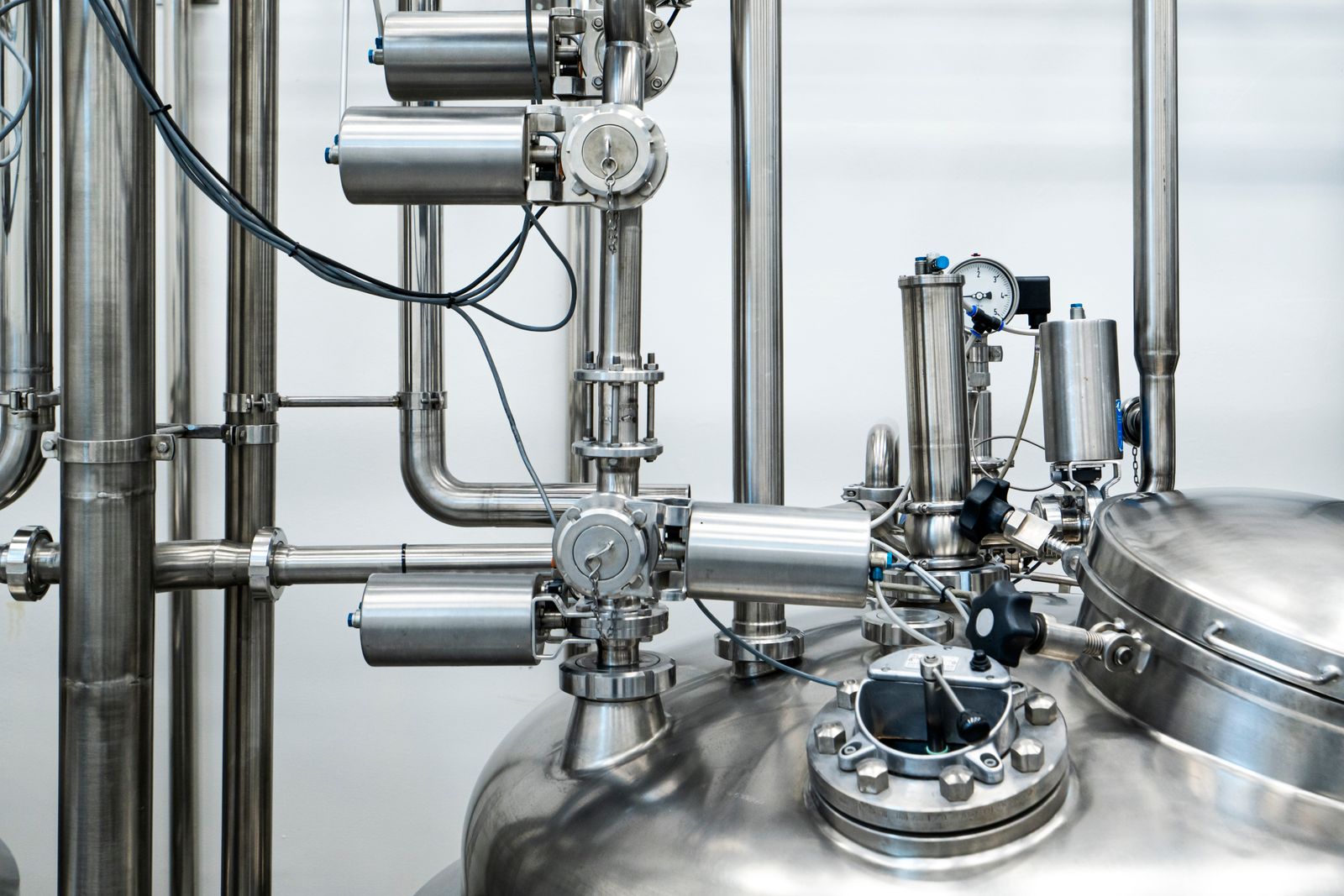
An illustrative case would be drying parts that carry solvent residues. Before defining the equipment, it helps to know which substance may be released, in what quantity, during which part of the cycle and under what temperature and ventilation conditions. This information should feed the process assessment, without assigning a zone automatically based on the name of the operation.[3][7]
In addition, the presence of an internal explosive atmosphere does not by itself determine how Directive 2014/34/EU applies to the assembly. The European Commission guide distinguishes the complete equipment, its internal parts and its interfaces. The regulatory scope and protective measures must therefore be defined from the design and intended use.[7]
Frequently asked questions about ATEX zones
Differences between zone 21 and zone 1
Both cover occasional occurrence in normal operation, but zone 1 refers to gas, vapour or mist and zone 21 to combustible dust. That difference shapes the choice of equipment.[6]
Areas with different classifications in one plant
A facility can contain areas with different classifications and others with no ATEX classification at all. The boundaries depend on the sources of release, ventilation and the operating conditions studied.[6]
Reviewing the classification after changing the process
Changing substances, equipment or working conditions may require reviewing the assessment and the explosion protection document. It is best to tackle that review while preparing the change.[1]
Tell us about your project conditions
If you need to develop or integrate industrial equipment for an environment with ATEX requirements, share with Selecta Engineering the available classification, the material you will process, the working temperature, the capacity and the integration needs. That information allows a technical conversation about the scope of the solution.
Contact Selecta Engineering to study your equipment requirements.
Sources
- BOE — Royal Decree 681/2003 — articles 7 and 8 and annexes I and II
- HSE — ATEX and explosive atmospheres
- INSST — Technical guide on explosive atmospheres — 2021 edition
- BOE — Royal Decree 144/2016 — consolidated text
- European Commission — Equipment for potentially explosive atmospheres
- HSE — Classification of hazardous areas and selection of equipment
- European Commission — ATEX Directive guidelines — sixth edition, January 2026 — sections 34 and 35