ATEX · · 6 min read
ATEX drying at 80 °C: the industrial value of a repeatable process
How to assess an ATEX drying project at 80 °C: quality, repeatability, traceability, integration and cost per compliant batch before choosing equipment.
A company installs drying equipment to obtain a useful result: an acceptable batch, an intended finish or a suitable condition for the next operation. When the project involves working at 80 °C in a process with a risk of explosive atmosphere, the investment should be assessed on the basis of that result and of the applicable protection requirements.
The industrial value lies in being able to repeat the process and prove it. To turn that idea into a purchasing decision, it is advisable to agree on indicators before comparing quotations. This makes it possible to verify what the new equipment delivers compared with the current process, without attributing savings or improvements to it that have not yet been measured.
Repeatability to reduce uncertainty
As a project criterion, the temperature shown on the display should be accompanied by a definition of stability, temperature distribution and load conditions. The behaviour that matters is the one that delivers a compliant batch under the intended conditions of use.
For example, it may be proposed to compare samples from different positions and record the results of several representative batches. How this is verified will depend on the material and on the acceptance criterion. The aim is to know whether the process responds consistently, especially when shifts or the usual load change.
Records that help explain each batch

For a company that needs to reconstruct its production, it is useful to define which information will be kept: batch identification, program version, recorded temperatures, incidents and acceptance decisions. This data should serve a specific purpose. Abundant records add little if they do not later make it possible to link a deviation to the affected material.
It is also advisable to specify who can modify the programs, how changes are documented and how data is recovered. These are quality and operational decisions that are best resolved while the solution is being designed.
Indicators for assessing the investment
| Proposed indicator | What should be compared |
|---|---|
| Compliant batches | Proportion of batches accepted under the same quality criterion. |
| Total time | Loading, treatment, availability for unloading and preparation of the next batch. |
| Consumption per compliant batch | Process energy and auxiliary services within a defined scope. |
| Reprocessing and incidents | Additional work, affected material and recorded causes. |
The comparison must be made on equivalent loads and results. A shorter cycle may offer no advantage if it forces the treatment to be repeated.
Likewise, comparing installed power alone does not reveal actual consumption or the cost of obtaining an accepted unit.
Usable capacity and integration into production
The nominal volume of a chamber is a starting figure. To study its usefulness, it is advisable to represent the parts, trays, access points and handling operations. This review helps define how much material can be processed reproducibly and how the equipment connects with the upstream and downstream stages.
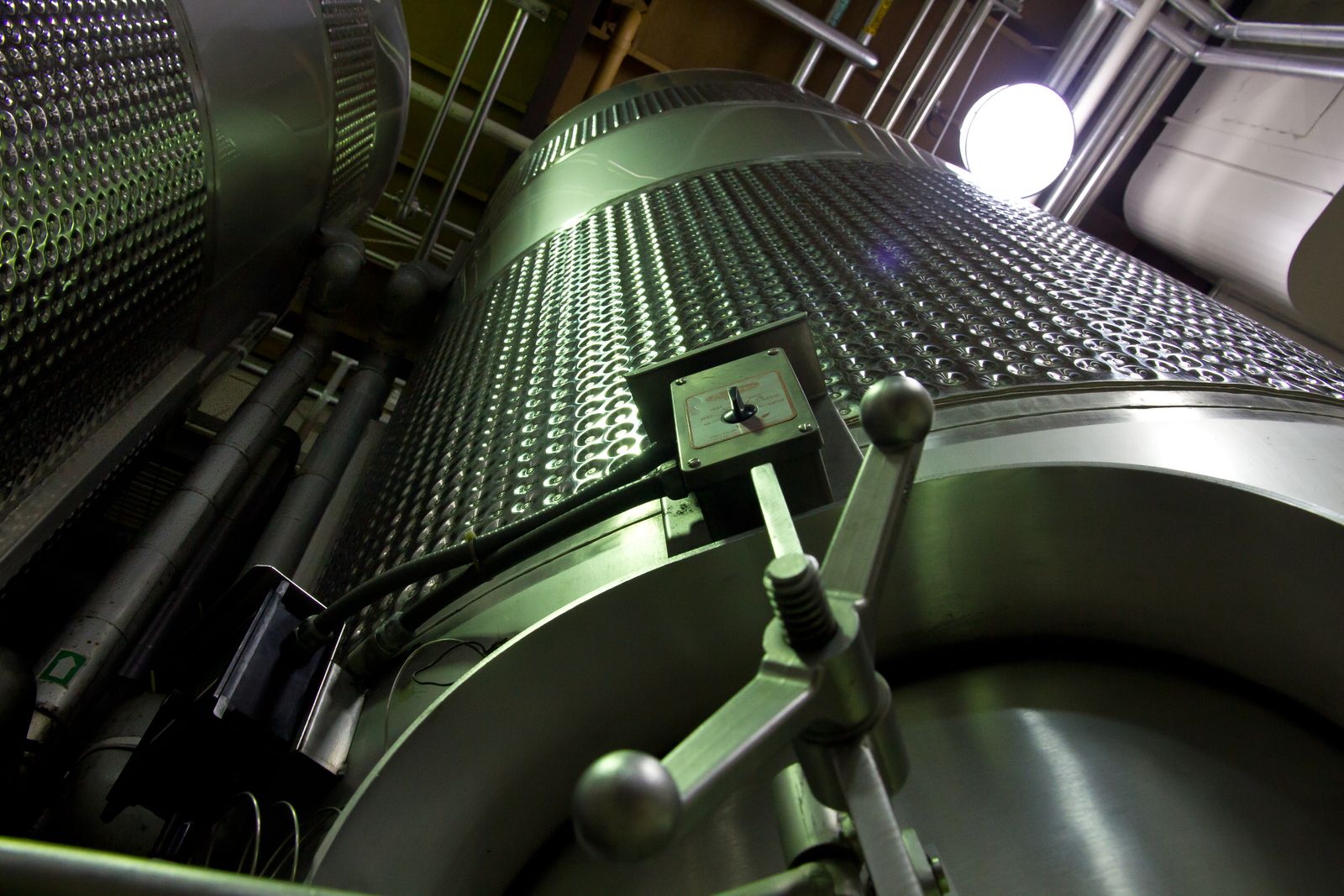
The proposal should take into account the available space, maintenance, utilities, any extraction that may be required and the way the equipment is cleaned. A custom solution is worthwhile when it resolves specific constraints the customer has identified; that fit must be demonstrated through agreed requirements and tests.
Protection must match the real process
There are safety cabinets designed for drying samples with limited quantities of solvents and defined ventilation conditions. That description illustrates why it is necessary to review the limits of use of each model. It is not enough for a catalogue to include the words drying or safety.[1]
In an ATEX project, the assessment must consider the substances, the possibility of explosive atmospheres forming and the ignition sources. Equipment selection has to match the identified conditions and its intended use. The 80 °C set point, on its own, does not settle that selection.[2][3]
A clear basis for comparing offers
The recommended next step is to draft a short requirements document:
- Material and drying objective.
- Expected production and acceptance criteria.
- Installation environment.
- Evidence to be delivered.
Offers can then be compared on the same scope: equipment, commissioning, documentation, checks and maintenance.
For production, quality and purchasing managers, the value lies in receiving a solution whose performance can be verified. The purchase price is part of the decision, together with the cost of operating, maintaining and using the equipment throughout its service life.
Share your requirements with Selecta Engineering to study a drying solution tailored to your process.
Assess equipment for my process
Sources
- BINDER — Safety cabinets for drying samples containing solvents
- BOE — Real Decreto 681/2003, assessment and selection of equipment
- BOE — Real Decreto 144/2016, intended use and equipment requirements