OEM · · 5 min read
OEM manufacturing of laboratory equipment with Selecta Engineering
How to develop laboratory equipment under your own brand through OEM manufacturing: design, prototypes, production, requirements and project responsibilities.
Launching your own line of laboratory equipment means bringing together a market need and a product that can be manufactured, tested and maintained. Working with an OEM manufacturer makes it possible to share that work between the brand driving the project and an industrial partner, with an agreed scope for each phase.
Selecta Engineering offers a service that lets you outsource the design, the manufacturing or the entire process. Its proposal covers the feasibility study, engineering, prototyping and series production under the customer's brand. This flexibility means the conversation can start either from an idea or from a design that has already been developed.[1]
What OEM manufacturing means
OEM stands for Original Equipment Manufacturer. In the context of an industrial partnership, the term describes projects in which one company manufactures equipment that another company sells under its own brand or integrates into its own solution. The actual scope must be clearly defined: it may cover a complete instrument, an assembly or just part of the development.
For the customer, the decision is about identifying which capabilities the project needs to bring in. A company may have market knowledge and a sales network but need engineering support. Or it may already have drawings and specifications and be looking for manufacturing capacity.
Three ways to structure the partnership
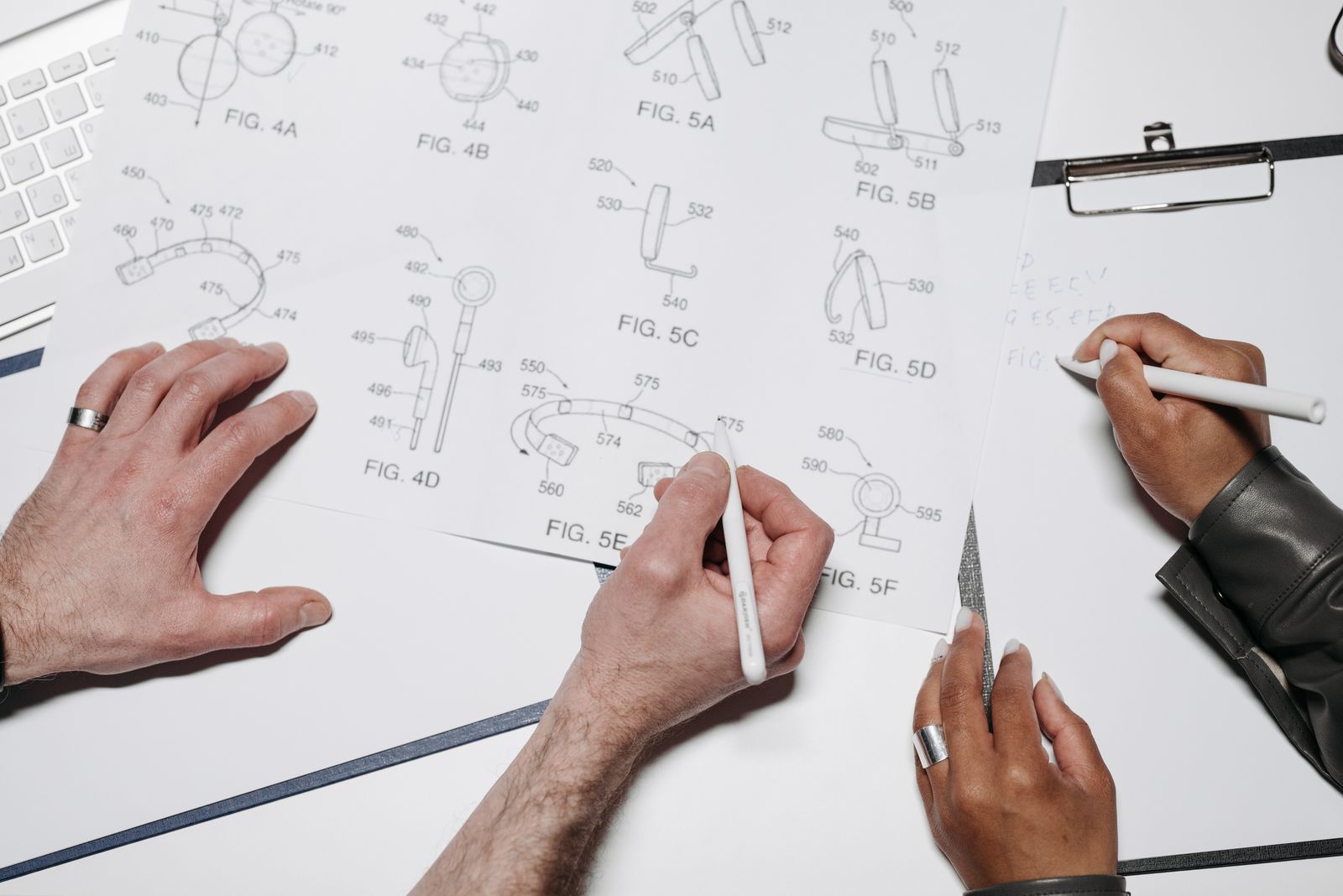
1. Outsourcing the design
This defines what the equipment needs to do and what documentation will be delivered so that its development can continue. It is advisable to agree from the start on the level of detail of the drawings, the bill of materials and the test results.
2. Manufacturing from a customer design
The initial review should establish whether the information is sufficient, how components will be managed and which criteria will be used to accept each unit.
3. Full development and manufacturing
This is useful when the project needs to turn an idea into an industrial product. In all three models, it is important to distinguish between the contracted activities and the results expected from each one.
From requirement to prototype and series production
As a working method, it is best to start with a description of the user, the application and the required performance. A verifiable requirement makes decisions easier: usable capacity, operating conditions, interfaces, ease of cleaning or maintenance needs.
The prototype phase makes it possible to verify design decisions before moving forward. The transition to production should be based on a defined configuration, manufacturing instructions and agreed inspection criteria. It is also worth planning how future modifications will be approved and how the version of each unit will be identified.
This approach helps the partnership continue beyond the first delivery. Spare parts, technical support, incident management and component changes should all be part of the commercial and technical discussion.
Your own brand and product responsibilities
Outsourcing manufacturing requires defining who takes on the applicable legal obligations. European guidance on CE marking points out that anyone who has a product manufactured and sells it under their own name or brand may be considered the manufacturer and must ensure its conformity. For this reason, the contract and the documentation must reflect the responsibilities of each party.[2]
If the product is a medical device, the intended purpose, the regulatory framework and the role of manufacturer must also be determined according to their specific rules. Not all laboratory equipment automatically qualifies as a medical device.
What information to prepare
For an initial assessment, we recommend providing:
- The application and the intended user.
- The essential performance requirements.
- The target markets and an estimate of demand.
- If a design already exists, its status and the tests carried out.
It is also worth agreeing on ownership of and access to the drawings, use of the brand, confidentiality and the delivery documentation. These are conditions that must be negotiated for each project. A useful proposal makes it clear what the investment includes and what needs to be resolved before manufacturing begins.
Share your idea or design with Selecta Engineering to define the scope of an OEM project.
Tell us about your OEM project
Sources
- Selecta Engineering — Public OEM design and manufacturing service, accessed 17 October 2026
- European Union — CE marking and manufacturer responsibilities